

The Hen House Edit
Our Books
Shop Our Coop
Coop bedding & cleaning

Featured · coop bedding
Cozy Coop hemp bedding

Coop cleaning · scoop & holder
Amazon Basics litter scoop
Coop care
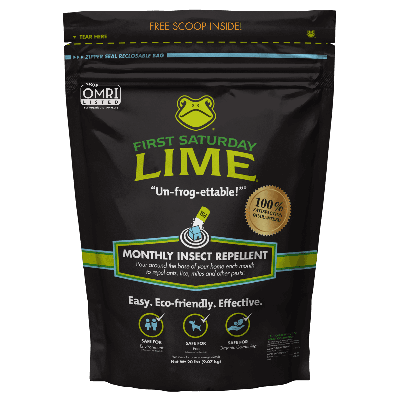
First Saturday Lime
Good to know
Bedding & spot-cleaning: Keep hemp bedding dry and remove wet or soiled areas regularly. A dedicated coop scoop works best when clean bedding can pass through its slots.
Coop-care extras: Follow First Saturday Lime’s label directions alongside regular bedding changes and cleaning.
Chick supplies

Chicks & growers · complete feed
Manna Pro medicated chick starter & grower

Chicks · digestion
Mile Four chick grit

Chicks · optional enrichment
Pawaboo chick perches · 2 pack
Good to know
Start with the essentials: Chicks need a safe brooder, suitable warmth, starter feed, a chick feeder, and clean water. Growers are young birds that are not laying yet; follow your feed’s age directions.
Medicated starter: “Medicated” refers to amprolium for coccidiosis prevention. Ask your hatchery whether chicks received a coccidiosis vaccine before choosing medicated feed. Follow the bag’s age and feeding directions.
Perches: Keep them low and stable, with room to reach food, water, and warmth. They are an extra, after the brooder essentials are in place.
Feeders, water & flock food

Layers · complete feed
Purina Layena layer crumbles

Our setup
Omlet automatic feeder

Everyday essentials
Omlet insulated waterer

Growers & layers · treats
Manna Pro Garden Delight

Growers & layers · optional supplement
Buff Clucks herb supplement

Growers & layers · supplement dispenser
CluckRoots grit & oyster shell feeder

Growers & layers · treats
Manna Pro Harvest Delight

Age 8+ weeks · digestion
Mile Four grower & layer grit
Good to know
Feed for their age: Complete feed is the main diet. Layer feed contains extra calcium for laying hens; use starter or grower feed for young birds. For mixed ages, ask your local Extension office about a feeding plan.
Grit & calcium: Grit helps grind food; oyster shell supplies calcium for laying hens. Choose chick-sized grit when introducing foods beyond complete starter crumbles, and larger grit for growing and adult birds. Keep grit and oyster shell separate in the dispenser, and do not give chicks layer-level calcium.
Treats & supplements: Offer treats sparingly and follow each label’s age and serving directions. Treats and herbs are optional extras; they do not replace complete feed or care for a sick bird.
Learn more: UMN Extension · Poultry Extension · Feed directions (manufacturer reference; non-affiliate — affiliate setup needed for direct purchases)
Coop extras & transport

Flock · optional enrichment
Chicken picnic table

Flock · optional enrichment
Sadnyy chicken mirror toys

Flock · transport
NeoBusy chicken carriers · 2 pack

Coop · optional nesting extra
Roosty’s nesting herbs chili mix
Good to know
Picnic tables & toys: Keep tables clean and stable alongside the everyday feeder. Attach mirrors securely, check for sharp edges or damage, and remove them if a bird becomes distressed or persistently aggressive.
Carriers: Check fit and ventilation. Keep trips supervised, secure, and out of direct heat.
Nesting herbs: Follow the label’s directions. Herbs do not replace dry bedding, regular cleaning, or parasite treatment.
We may earn commissions from shopping links.